
Sustainability
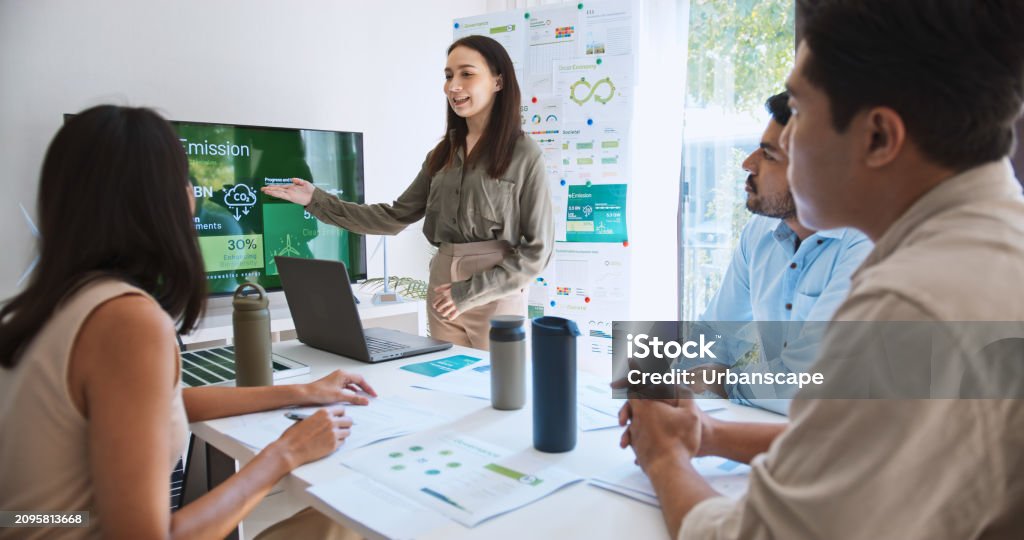
Our Approach To Eco-friendly Solutions
Sustainable packaging refers to the development and use of packaging solutions that have a minimal environmental footprint. This involves selecting materials that are recyclable, biodegradable, or made from post-consumer recycled (PCR) content, while also reducing overall resource consumption during production and transportation. By prioritizing sustainable practices, companies can significantly reduce their contribution to landfill waste and carbon emissions, all while meeting consumer demand for greener alternatives.
Why Choose Sustainable Packaging?

Reduced Carbon Footprint
through lightweight and right-sized packaging options

Regulatory Compliance
with local and global environmental responsibility trends

Competitive Edge
with solutions that balance shelf appeal, performance, and sustainability
Life Cycle Analysis: Making Informed Decisions For Long-term Sustainability
Evaluate the environmental impact of packaging from raw material extraction to disposal
Identify opportunities for improvement at each stage of the packaging life cycle
Compare different packaging options to select the most sustainable solution
Refine our processes continuously based on data-driven insights
Circular Economy – Closing The Loop On Packaging

Eco-Friendly Materials

Carbon Footprint Reduction

Material Efficiency

Recyclability
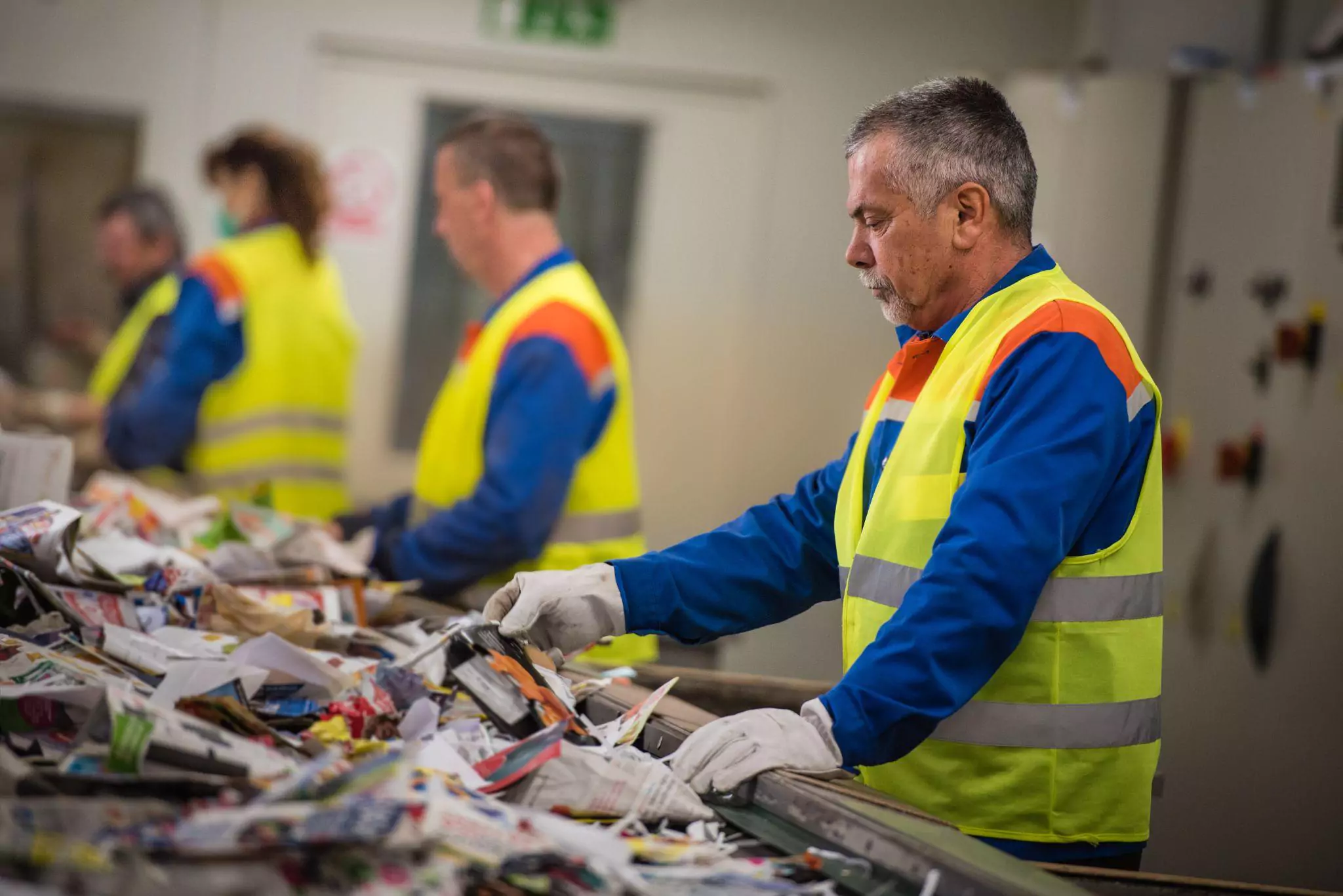
Consumer Education & Recycling Partnerships

Innovation
We continuously invest in cutting-edge technologies and research to develop groundbreaking solutions that push the boundaries of sustainability.
End-of-life Solutions: Beyond The Bin
Development of compostable packaging options for organic waste streams
Upcycle programs that we create or participate in to give packaging a second life
Take-Back programs that we champion and implement for hard-to-recycle materials
Invest in research for new biodegradable materials that leave less trace
Design & Engineering
Our Design and Engineering process is at the heart of our creative innovation. All of our packaging is customizable. With the goal of being fully transparent, our transparent Design and Engineering process aims to reflect your brand identity while meeting sustainability and performance standards.
For more information on how we can work with you, see our Full Service Project Management Page
- Biodegradable and Compostable Packaging
- Recycled Materials
- Flexible and Minimalist Designs
- Safe and Efficient Production
- Sustainable Material Selection
- Eco-Friendly Design Principles
- Energy-Efficient Manufacturing
- Sustainable Partnerships and Education
- Continuous Innovation
Biodegradable and Compostable Packaging
Using materials like wheat flour, corn starch, and paper, our packaging naturally decomposes without harmful chemicals, supporting organic composting.

Recycled Materials
Incorporating post-consumer and post-industrial waste helps divert materials from landfills and promotes reuse.

Flexible and Minimalist Designs
These approaches reduce material use, transportation costs, and environmental impact.
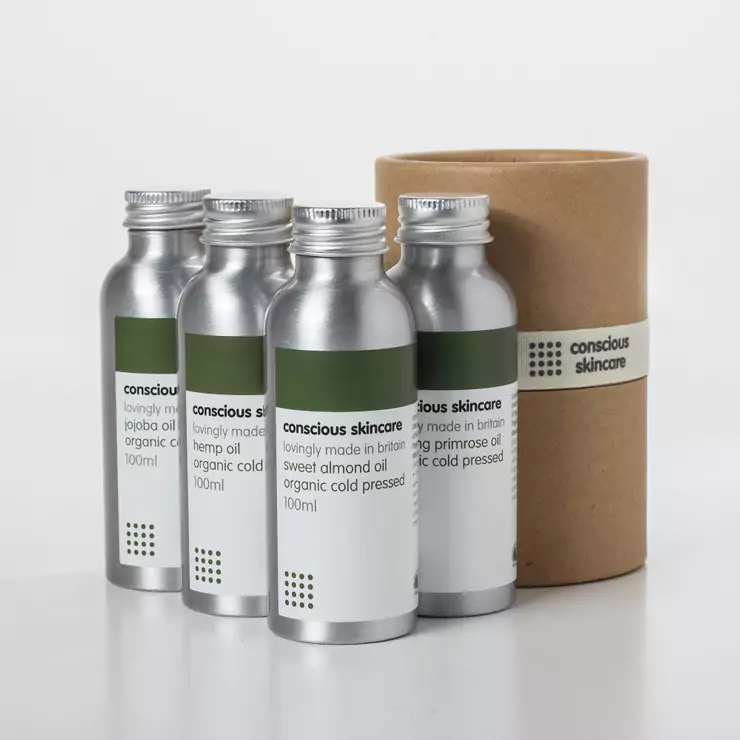
Safe and Efficient Production
Our rigorous testing ensures eco-safety, and streamlined systems minimize production waste.

Sustainable Material Selection
We prioritize renewable resources, recycled content, biodegradable options, and low-impact synthetics for truly eco-friendly packaging.

Eco-Friendly Design Principles
Our designs focus on minimalism, mono-material construction for easier recycling, modularity for disassembly, and reusability to extend the lifecycle of packaging.

Energy-Efficient Manufacturing
Powered by renewable energy sources, our facilities use smart technology to optimize energy use and reduce emissions.

Sustainable Partnerships and Education
We collaborate with eco-conscious suppliers and educate customers on recycling to maximize environmental impact.

Continuous Innovation
Through R&D investment, industry collaborations, and customer feedback, we stay at the forefront of sustainable packaging.

Our Commitment to a Greener Future
We deliver sustainable packaging solutions that reduce waste and extend product life cycles, collaborating with clients to prioritize environmental impact and future sustainability goals.